
Work has changed dramatically in recent years. Previously, work was measured by the products made, the factories, and the tools used. Now, it’s measured by intangible things like knowledge, creativity, digital services, and online presence. In today’s economy, many things hold great value, even though they are intangible. These things directly impact our daily lives and economic activity. Knowledge, creativity, digital services, and online presence are prime examples.
The transformation of work
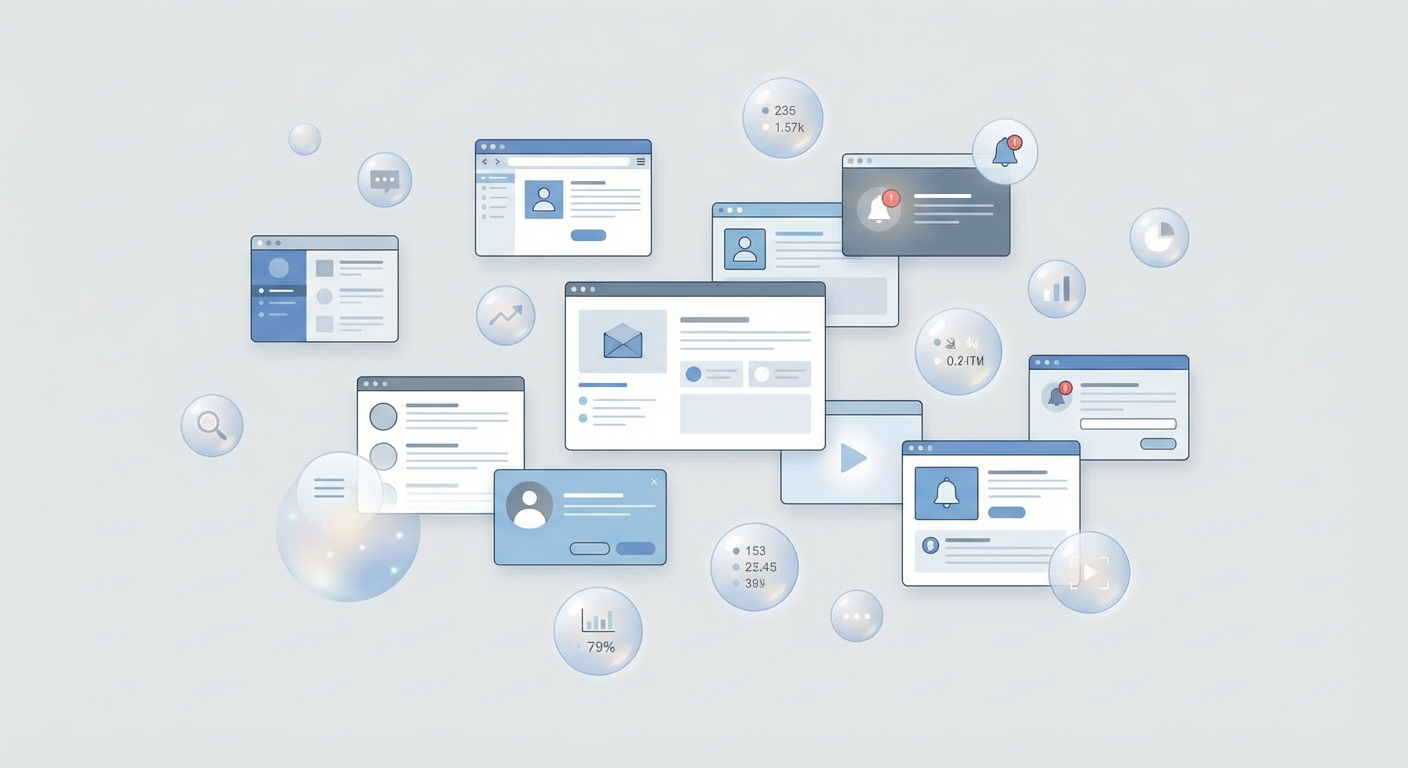
In today’s digital age, the nature of work has undergone a profound transformation. Traditional definitions of labor—centered around physical effort, tangible products, or visible services—are no longer the only measures of value. Instead, many professions now generate significant economic and social impact without requiring any physical labor. Roles such as software developers, user experience (UX) designers, digital marketers, and content creators are prime examples of this shift. What they produce often exists entirely in digital form, yet it reaches millions of people, shapes behaviors, and generates substantial revenue.
This transformation reflects the broader rise of the intangible economy, where digital assets, intellectual property, and engagement metrics often outweigh traditional physical resources. A mobile app developed by a small team, for instance, can outperform a brick-and-mortar business with vast inventories in terms of value creation. Similarly, digital content—whether videos, podcasts, or online courses—can influence global audiences, generate advertising revenue, and even build entire online communities.
The skills required for success in this new landscape are also changing. Intangible work emphasizes creativity, adaptability, and technical literacy. Workers must understand complex digital systems, leverage data to make informed decisions, and anticipate the needs of users in fast-changing environments. Unlike traditional roles, where processes may be routine or standardized, digital professions demand constant learning and innovation. Problem-solving, critical thinking, and the ability to collaborate across virtual platforms have become essential competencies.
Measuring the impact of intangible work requires new approaches. Instead of counting physical outputs, businesses and individuals evaluate reach, engagement, subscriptions, and operational efficiency. For example, a software developer may create a tool that streamlines workflows for thousands of companies, while a content creator can influence trends or public opinion through digital media. These outcomes are real, tangible in effect, and measurable, even if they are not visible in the traditional sense.
The transformation of work also has social and cultural implications. Digital professions often allow for remote collaboration, flexible schedules, and global reach, fundamentally changing how people balance work and life. Traditional hierarchies may give way to meritocratic systems based on results, digital reputation, and measurable outcomes rather than seniority or physical presence. This can democratize opportunities, enabling talented individuals worldwide to compete and collaborate on equal footing, regardless of location or background.
Moreover, the evolution of work highlights the growing importance of personal branding and communication skills. Success is no longer only about producing valuable output; it also requires the ability to showcase achievements, communicate effectively online, and engage audiences strategically. Professionals must navigate a digital landscape where visibility, credibility, and influence are closely tied to economic and career success.
In summary, the transformation of work reflects a shift from physical labor to intangible, digitally-mediated value creation. It demands new skills, measures success differently, and offers opportunities that were unimaginable in previous industrial or service-based economies. While the work may be invisible in the traditional sense, its impact is substantial—shaping economies, cultures, and societies in the modern digital age.
Intangible economy
The rise of the digital economy has fundamentally changed how we define and measure value. Unlike traditional economic systems, where wealth and success were often tied to tangible assets such as factories, inventory, or real estate, the modern digital economy increasingly depends on intangible assets. These include data, user engagement, brand presence, intellectual property, software, and social influence. In this context, value is no longer measured solely by physical products or visible resources—it is built on connections, activity, and the impact that digital products or services have on people’s lives.
For example, a mobile application that is used daily by millions of users can generate more revenue and social impact than a traditional brick-and-mortar store with a large inventory of goods. Platforms like social media networks, streaming services, and online marketplaces demonstrate that active users and engagement metrics often translate into more strategic and long-term value than physical assets alone. Companies are increasingly evaluating success by looking at the size and loyalty of their digital audience, the amount of data they collect, and the quality of interactions on their platforms.
Social Perception of Value
Despite the importance of intangible assets, society does not always recognize them fully. People often struggle to value ideas, digital services, or creative work simply because it is not immediately visible or touchable. For instance, a software algorithm that optimizes logistics for thousands of businesses may be far more valuable than a physical warehouse, but it may not be appreciated in the same way because its benefits are less tangible. Similarly, online content creators or digital entrepreneurs generate significant economic and cultural value, yet their contributions are sometimes underestimated compared to traditional roles in physical industries.
This mismatch between the actual and perceived value of intangible assets creates challenges for workers and businesses. Professionals in the digital economy must not only create value but also demonstrate and communicate it effectively. Success increasingly depends on the ability to show how ideas, digital products, or services make an impact, influence users, or generate revenue. In this sense, storytelling, marketing, and personal branding become crucial skills alongside technical expertise or creativity.
Future implications
The rise of the intangible economy has far-reaching implications for how we think about work, productivity, and success. Traditional metrics such as hours worked or physical output are becoming less relevant, replaced by measures of engagement, innovation, and influence. Job security and career growth are increasingly tied to the ability to create digital value and adapt to evolving technologies.
Organizations also need to adjust. Companies that embrace the intangible economy invest in data analytics, digital platforms, intellectual property, and community engagement, rather than focusing exclusively on traditional physical infrastructure. Success now depends on strategic planning, digital literacy, and the ability to leverage intangible assets to create measurable outcomes.
While money remains the ultimate measure of exchange, the way value is created and accumulated has shifted. Today, value is less about quantity and more about strategy, reach, and impact. The intangible economy rewards those who can innovate, connect with audiences, and translate digital influence into measurable benefits. In essence, creating value is no longer just about what you have—it is about what you make happen, how you engage others, and how effectively you communicate the importance of your work in the digital world.
Final reflection
The intangible work that matters in the digital economy is what truly matters. Understanding this isn’t about being a tech expert, but about learning to see what really makes a difference and how our actions affect things, even if we can’t see or touch them.
In a world where the intangible is gaining importance, the challenge is to appreciate, value, and manage what previously went unnoticed.
Leave a Reply