
Automation is usually thought of as machines that you can see. Like robots working in factories or complicated devices that do jobs that people used to do.. The truth is that automation is actually doing a lot of things that we do not even notice. Automation is working behind the scenes of our lives quietly helping us make decisions that we used to have to think really hard about. Automation is really good at doing this. It is changing the way automation works in our lives. Automation is not about big machines, automation is, about helping us in lots of small ways.
This change does not usually feel like a deal. It happens slowly. It becomes a regular thing that we do every day. After a while the change feels like it has always been this way. The shift rarely feels disruptive it just becomes part of our routine until the shift feels normal.
Automation beyond industrial spaces
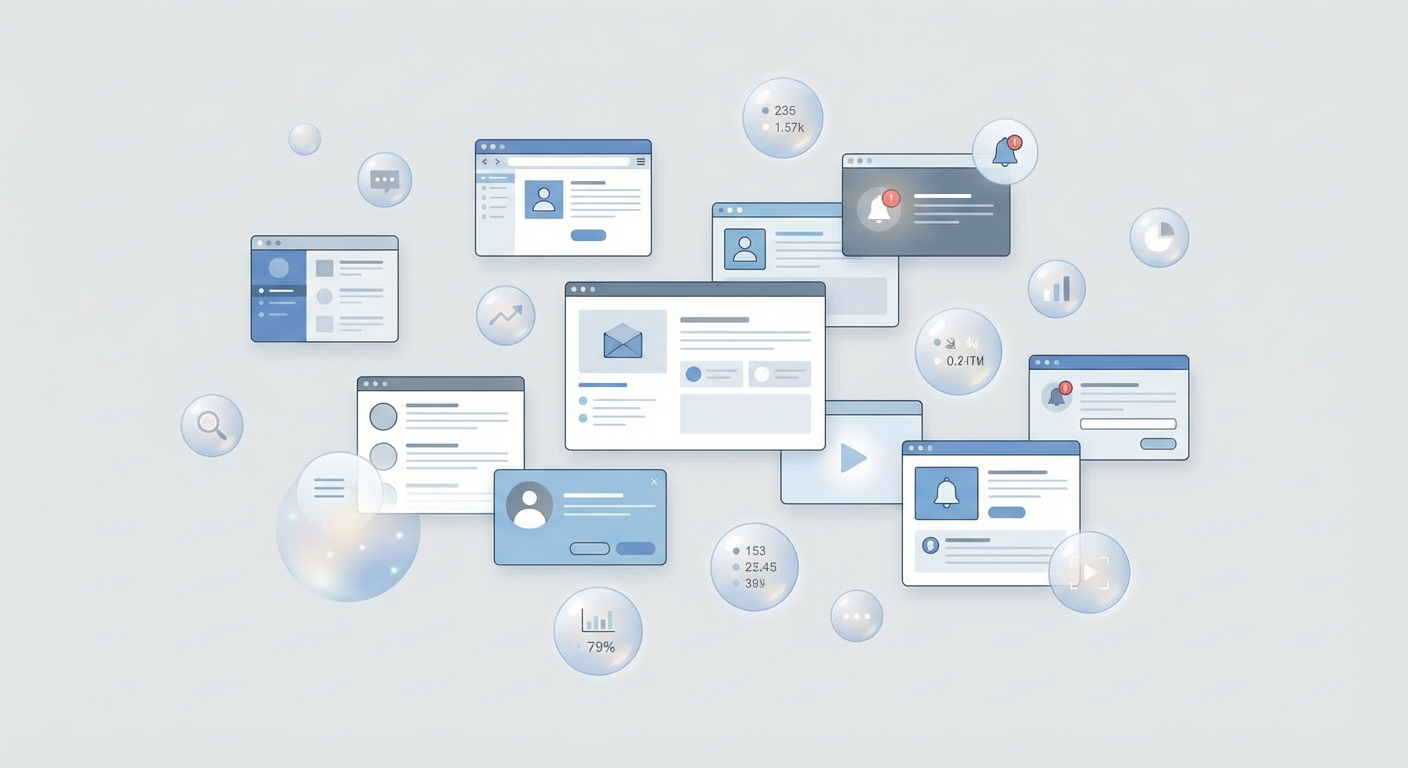
In the past automation was much all about making things. Now it is used in environments too. Here decisions are made all the time and on a scale. Things, like recommendation systems and scheduling tools and navigation software and content prioritization all use automation. Automation is used for recommendation systems automation is used for scheduling tools automation is used for navigation software and automation is used for content prioritization.
These systems are really helpful because they make things simpler for us. They do this by narrowing down our options and giving us easy to understand choices. This means we do not have to think much and our daily interactions become easier. The systems help us manage complexity. That is a big plus. Complexity is a problem and these systems make it more manageable, by filtering options and presenting us with simplified choices, which is what these systems do.
Decision-making in a fast-paced environment
Life these days is really tough because we have to make many choices. Automation is like a helper that takes care of the decisions we have to make over and over. It also gives us suggestions based on the things we like and the things we do regularly. This means that people can get around on their computers and phones a lot faster and easier which is great for life and automation. Modern life and automation are making things more efficient, for us.
Many decisions are really easy to make. This is because there are systems working in the background that help make these decisions. The systems are very advanced. You do not even notice them. Many decisions feel easy even when the complicated systems are guiding them.
The appeal of convenience
People like automation because it is convenient. Automation makes decisions for us, which saves us time it does not get in the way and it makes things easy, for us. When automation systems work well automation feels like it is helping us not bothering us.
The fact that automation is so easy to use makes it fit well into our daily lives. We often do not even think about how the choices we make’re influenced by automation. Automation becomes a part of our routines and we just get used to it. This is what makes automation so easy to use it just becomes a part of our lives like using a computer or a smartphone. Automation is something that we use every day. It helps us do things faster and more easily which is why we like automation.
Subtle influence and habit formation
Automation affects the way people behave. It does this by repeating things over. When people see the options all the time they get used to them. They become familiar with these options. They feel comfortable, with them. This happens because Automation keeps presenting the things. Over time this repetition helps create habits. People start to expect certain things from Automation. Automation really changes the way people do things by making them do things over and over.
What starts out as an idea can turn into the thing people usually pick and this happens without people even thinking about it. This is because the simple idea can become a habit and people just stick with the customer service software they are used to, like Salesforce without considering other options, such as Zoho or Freshdesk and this is what makes the simple idea turn into the default choice, which is the option that people choose when they do not make an active decision and it reinforces patterns, such, as using Salesforce without requiring people to think about what they are doing.
Balancing efficiency and awareness
Automation is neither inherently good nor bad; its impact depends largely on how aware and intentional people are when using it. Automated systems—ranging from AI-driven recommendations and chatbots to self-driving vehicles and workflow management tools—can greatly increase efficiency, reduce errors, and save time. However, the benefits of automation are fully realized only when users understand how these systems work and remain attentive to their influence.
When people use automated tools with awareness, they can make informed decisions, combining the speed and efficiency of technology with critical thinking. For example, a person using an automated financial planning app can quickly analyze investment options, but they should still review the suggestions, consider risks, and ensure the decisions align with their personal goals. Similarly, employees using automated scheduling or task management software can complete projects faster, but understanding how priorities are assigned helps prevent unintentional mistakes or overlooked responsibilities.
Automation can also subtly influence behavior. Algorithms on social media, shopping platforms, and content services are designed to guide decisions and capture attention, often without the user realizing it. Being aware of this influence allows individuals to engage consciously, rather than passively accepting what the system presents. Awareness encourages a balance: leveraging automation for convenience and efficiency while maintaining control over personal decisions and attention.
Moreover, awareness is crucial for organizations implementing automated systems. Businesses must educate employees about how tools work, potential biases in AI systems, and limitations of automation. For instance, in hiring, AI-driven tools can screen candidates quickly, but HR teams must remain aware of potential biases in the algorithms to ensure fair and ethical decision-making. Automation without awareness can lead to errors, ethical issues, or unintended consequences that might outweigh efficiency gains.
Balancing efficiency and awareness also extends to daily life. Smart home devices, personal assistants, and health-tracking apps can improve routines and decision-making, but understanding how these systems collect, process, and present data is key. Users who pay attention to the technology they interact with are less likely to be manipulated by algorithmic nudges and more likely to use automation to enhance productivity and personal well-being.
In essence, automation should not be feared or avoided. Instead, it should be used consciously and responsibly, with an understanding of both its capabilities and limitations. Awareness is about recognizing the role automation plays in our decisions, behaviors, and society. By combining automation with critical thinking, education, and mindfulness, people can enjoy the efficiency and convenience it offers without sacrificing control, intentionality, or ethical standards.
In summary, the key to leveraging automation successfully is balance. Awareness empowers individuals and organizations to use automated systems as tools that enhance productivity, while still maintaining critical judgment, social responsibility, and personal agency. Automation becomes not just a technical convenience, but a supportive force when guided by human understanding and attention.
Automation as a social force
Automation is often thought of as a purely technical tool—machines, software, and algorithms performing tasks without human intervention—but its influence goes far beyond technical efficiency. When automated systems are used by millions of people, their impact spreads across society, shaping behavior, social norms, and collective trends in ways that are sometimes subtle, yet profound. Even small design decisions in automated systems can ripple through society when scaled to millions of users, influencing how people think, interact, and make choices.
For example, social media algorithms automate which posts, videos, and advertisements users see. These algorithms do more than serve content—they guide attention, influence opinions, and shape cultural trends. The content that is prioritized or recommended can affect everything from purchasing decisions to political beliefs, demonstrating how automated systems can indirectly mold collective behavior. Similarly, recommendation engines on streaming platforms or e-commerce sites influence what people watch, read, or buy, gradually shaping broader patterns of taste and consumer habits.
Automation also impacts work and economic life. Automated scheduling tools, AI-based hiring systems, and supply chain algorithms are now integral to how businesses operate. These systems do not simply execute tasks faster—they change how employees, managers, and customers interact with one another. For instance, an automated scheduling system can influence work-life balance by determining shifts, meeting times, and deadlines, while automated communication platforms can alter team collaboration dynamics.
The societal impact of automation is particularly evident in public services and infrastructure. Automated traffic management, digital health monitoring, and AI-based fraud detection influence the daily lives of millions. These systems set expectations for efficiency, behavior, and decision-making, subtly shaping norms and social conduct. In other words, automation does not just optimize processes—it reinforces patterns of behavior, rewards certain actions, and discourages others, thereby influencing culture at large.
Furthermore, automation affects social interactions and human relationships. Social media bots, customer service chatbots, and virtual assistants change how people communicate and access information. Automated systems can create more convenience and efficiency, but they can also subtly redefine expectations for immediacy, responsiveness, and social engagement. People may begin to expect instant replies or personalized experiences, which in turn shapes their interactions offline as well as online.
In modern life, automation has become more than just a technological advancement—it is a social force that shapes how people live, work, and interact. It influences behavior, creates societal norms, and even drives cultural trends. Understanding the broader implications of automation is crucial for designing systems that are not only efficient but also socially responsible, equitable, and supportive of human well-being.
In summary, automation is not neutral. It is a powerful force embedded in everyday life, affecting not only individual tasks but also social behavior and collective norms. Its influence extends across technology, economy, culture, and personal interaction, making it one of the defining elements of life in the modern digital age.
Final reflection
The quiet rise of automation reflects a broader shift toward efficiency and convenience in everyday life. By recognizing how automated systems influence daily decisions, it becomes easier to navigate a digital world where technology increasingly shares the decision-making process.




Leave a Reply