
It is really changing how we focus on things. Digital attention is what we call this. It is about how technology shapes what we focus on.
The way we use technology is changing all the time. This means that what we pay attention to is also changing. Technology is a part of our lives now. It affects what we think about and what we do.
We need to think about how technology’s shaping our digital attention. This is important because it can affect our lives in ways. Digital attention is not about technology. It is about how we use technology to focus on things.
Some people think that technology is bad, for our attention. They think it stops us from focusing on things.. Others think that technology can help us focus. It can help us pay attention to things that’re really important.
Technology is not going away. It is going to keep changing and shaping our attention. We need to understand how it works. We need to think about how we can use technology to help us focus on what’s important. Digital attention is a deal. It is something we should all be thinking about.
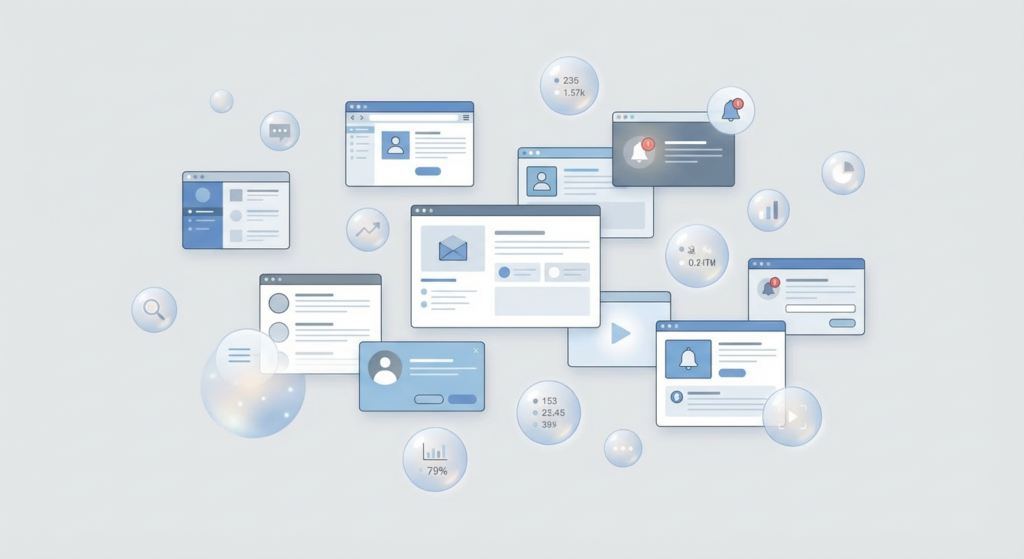
We live in a world where we get lots of notifications we use apps and we always get updates. These things all want our attention. Because of this technology has become the thing that decides what we think about every day. Technology affects our ability to focus on things to decide what is important and even to calm down. We do not always notice how much digital things like our phones and computers are controlling what we do. Technology is really, in charge of what we pay attention to. It is changing how we concentrate, prioritize things and relax. Digital environments are influencing us more than we think.
Technology helps make life easier. It also affects the way we behave in small ways. We get news and updates on media and other places and these things are always telling us what to pay attention to. The people who make these things use computer programs and design them in certain ways to do this. Technology is really good at shaping what we do when we do not realize it. Technology and the way it is designed can change the way we act. This happens all the time, with technology.
The rise of fragmented attention
Digital platforms are designed to capture and hold our attention, but this constant stimulation can lead to what psychologists call fragmented attention. Every app, social media platform, and website is competing for our focus at the same time, encouraging us to switch between tasks rapidly. As a result, many people find it increasingly difficult to concentrate on a single activity for an extended period.
When we engage with digital platforms, we may start to notice subtle effects on our behavior. We might become easily bored, restless, or feel the urge to jump from one app or notification to another. Long-form content, in-depth learning, or focused work can feel more challenging because our minds have become accustomed to rapid bursts of information. Over time, this can shorten attention spans and make it harder to engage deeply with tasks, whether online or offline.
This phenomenon is not limited to social media. Even work tools, email, or news websites are designed to encourage constant interaction, keeping users engaged for longer periods. The cumulative effect is a digital environment that trains our brains to expect constant novelty and instant gratification, which can make sustained attention more difficult in other areas of life, such as studying, reading, or problem-solving.
How interfaces influence perception
One of the main ways digital platforms shape our attention is through their user interfaces (UI). Designers carefully craft interfaces to guide users’ behavior, often using colors, shapes, placement of buttons, and animations to draw focus to certain areas. Notifications, alerts, and pop-ups are strategically timed to grab attention and prompt action.
These interfaces are not neutral—they are designed to keep users engaged. For example, social media feeds are structured to provide a continuous stream of content, often tailored to the user’s interests and past interactions. Recommendation systems suggest videos, articles, or products in a way that encourages prolonged use. Even subtle design choices, like the placement of “like” buttons or infinite scroll, influence the decisions we make and how long we spend on a platform.
Users often do not consciously realize how much these interfaces shape their behavior. The design may encourage them to scroll endlessly, click more frequently, or engage with content automatically rather than making deliberate choices. In essence, platforms often prioritize engagement over critical thinking, nudging users to stay active rather than reflective.
This combination of fragmented attention and interface-driven behavior has broader implications. It affects how we consume information, make decisions, and interact with digital content. People may find it harder to focus on long-term projects, critically evaluate news, or maintain sustained attention on important tasks. Understanding the mechanisms behind attention fragmentation and interface influence is the first step toward using digital platforms more intentionally and maintaining healthier cognitive habits.
The psychology of constant updates
People are drawn to unexpected things. Digital technology takes advantage of this by giving us new updates, messages and things to look at. This makes our brain feel good so we keep checking our devices over again every day. Digital technology really knows how to keep us hooked by giving us these rewards. We get used to checking our devices all the time because of these rewards, from technology.
Balancing focus in a digital world
Being aware of what we’re doing is very important to stay focused. We can try a simple things to help us pay attention. For example we can set aside some time every day when we do not use technology. We can also use apps when we really need to or we can change the settings on our notifications. The main idea is not to stop using technology but to use it in a way that makes sense for us. We want to make sure that the digital tools we use are helping us not taking over our lives. Awareness of technology is key, to maintaining our focus on technology.
Technology as a cultural force
Technology does more than just affect how people behave as individuals. It also affects what society pays attention to. Things like trends and news can spread fast and go viral which influences what people talk about and care about as a group. When people understand how this works they can use the internet and other technology in a mindful way. They can think carefully about how they use technology and make better choices about what they pay attention to. This helps people navigate the world in a more thoughtful way and it helps them understand what is really important, to their communities and what people really value.
Final reflection
Attention is a scarce resource in the digital age, yet it is constantly influenced by the very tools meant to simplify life. Recognizing how technology guides focus is essential for maintaining mental clarity, productivity, and a healthy relationship with digital devices. By being mindful of how attention is directed, we can use technology more intentionally and preserve the quality of our daily experiences.

Leave a Reply