
For a long time, money was something you could touch. People counted it and handed it over. Every time someone made a purchase, they had to do something consciously. For example, open their wallet and see how much money they had. Then they decided how much they were willing to spend. But now, things don’t happen the same way anymore. Much of that ritual is gone.
We live in what could be called a silent economy: a system where economic exchange occurs without noise, without friction, and often without the user even noticing.
When paying stops feeling like paying
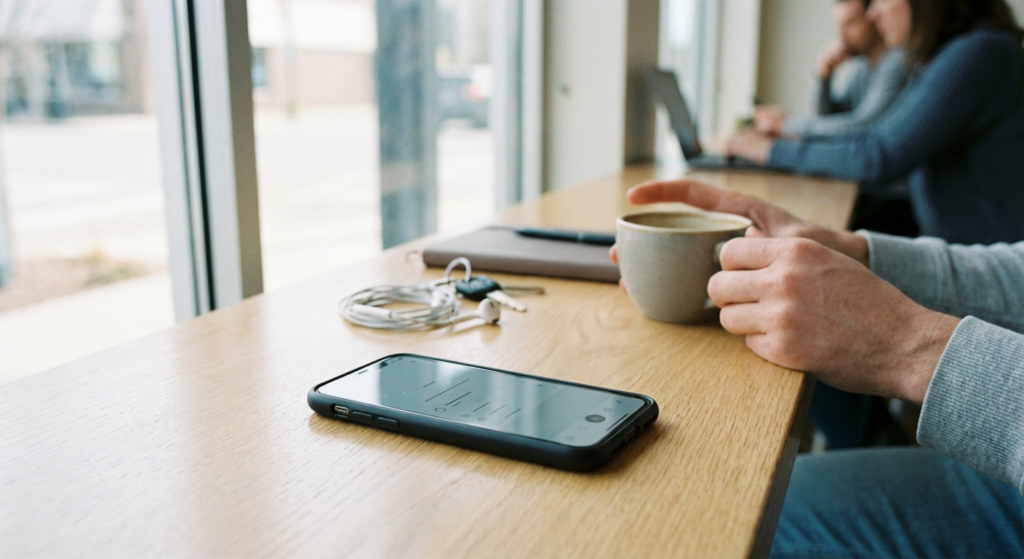
Payments are now incredibly easy. You can pay with a single click. There are also automatic charges. Subscriptions renew themselves. Technology has made everything simpler. It has eliminated some steps to make it more convenient. However, this has also meant that people are no longer aware of when they are paying.
Money no longer passes through their hands. They don’t see it leaving. It simply happens.
And when something ceases to be felt, it also ceases to occupy mental space.
This transformation is not accidental: friction is considered an obstacle, and eliminating it is a priority in modern digital systems. However, this elimination has side effects.
Money as an invisible fund
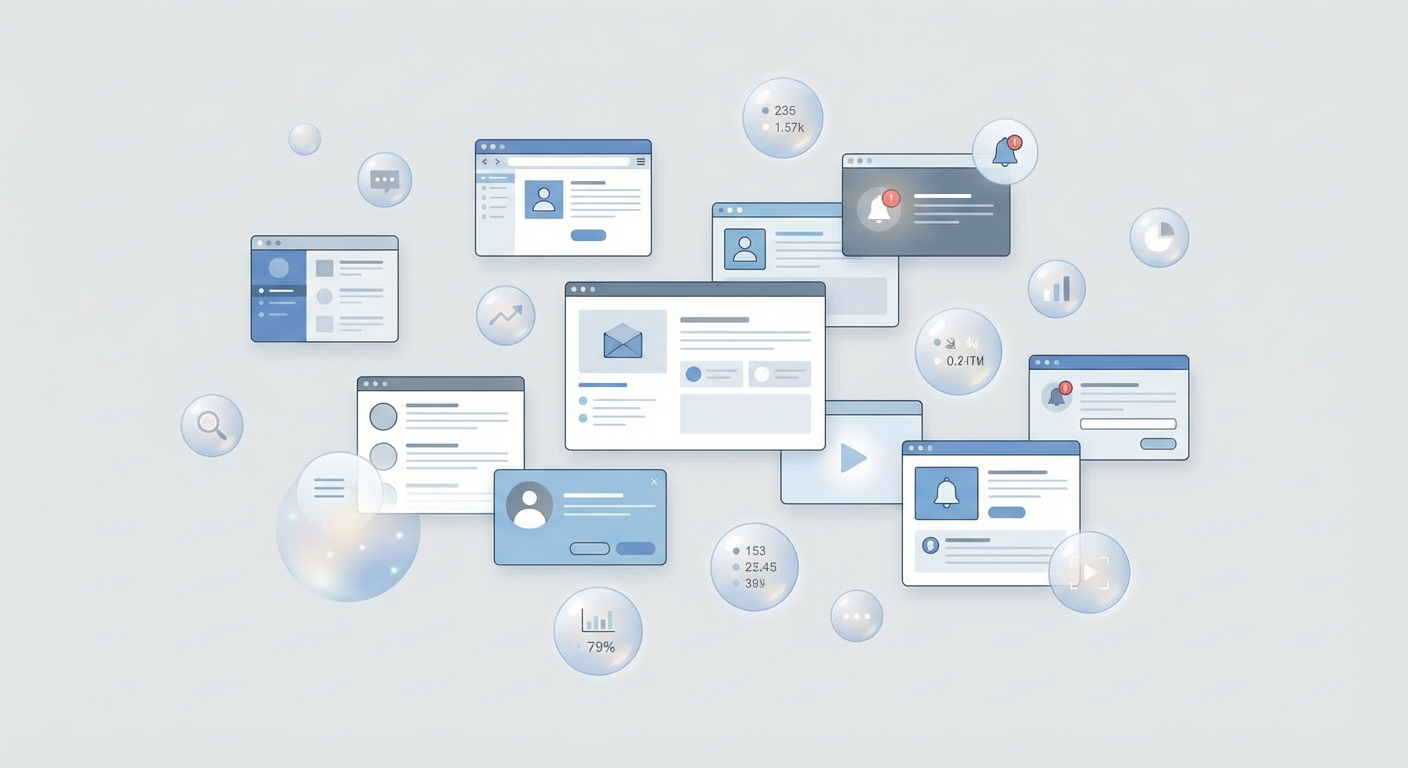
In the digital economy, money has become a background layer. It’s there, it sustains the system, but it’s rarely the main focus. The attention is on the experience: speed, convenience, the interface.
The result is that people have a different relationship with money. It’s not that money is less important, but because it’s so intertwined with digital life that it no longer commands attention. It simply becomes commonplace and no longer stands out.
This phenomenon doesn’t mean that people are acting irresponsibly. However, there’s a disconnect between actions and their immediate economic impact. Actions and their immediate economic consequences are no longer directly linked to the passage of time.
Technology, comfort and automation
Financial automation is one of the great recent technological achievements. It allows for efficiency, predictability, and time savings. But it also shifts economic decisions to systems that operate in the background.
When decisions are delegated—even partially—personal and collective finances become more abstract. The system works, but awareness of the process is diluted.
The silent economy doesn’t eliminate control, but it does make it less visible.
A new perception of value
In this context, value isn’t just measured in money. Time, attention, data, and convenience are also highly valuable. Many transactions today don’t seem to be about money, but in reality, they are.
The question is no longer just how much something costs, but what we’re giving in return, even when there’s no explicit monetary transfer.
Today’s economy has a very important characteristic: the way value is defined. Value is now understood differently than it was before. This new understanding of value is a profound aspect of the current economy.
Final reflection
The silent economy isn’t something strange or a problem with the system. It’s something that happens because we’re using technology more and want to be more efficient. The challenge is understanding the silent economy, not trying to change it.
Understanding how and when money stops being felt allows us to regain perspective. Not to reject technology, but to coexist with it more consciously.
Because when transactions become invisible, understanding becomes more important than ever.

Leave a Reply