
Transforming Digital Trust and Business
When people hear the word blockchain they usually think of Bitcoin and other cryptocurrencies. Blockchain is really popular because of these currencies. Blockchain can do a lot more than just help with money.
The blockchain system is a way to record information because it is safe and everyone can see what is happening.
This is changing the way companies work and how they make sure people do what they promise. The blockchain is also helping people trust each other more when they do things online. Blockchain is making a difference, in many areas.
The blockchain system is helping to make sure people are honest and that everything is fair. Blockchain is a system that is not controlled by one person or company it is controlled by a lot of people which makes it more secure.
This is why blockchain is so important and people are starting to use it for things, not just money.
Securing information and transactions
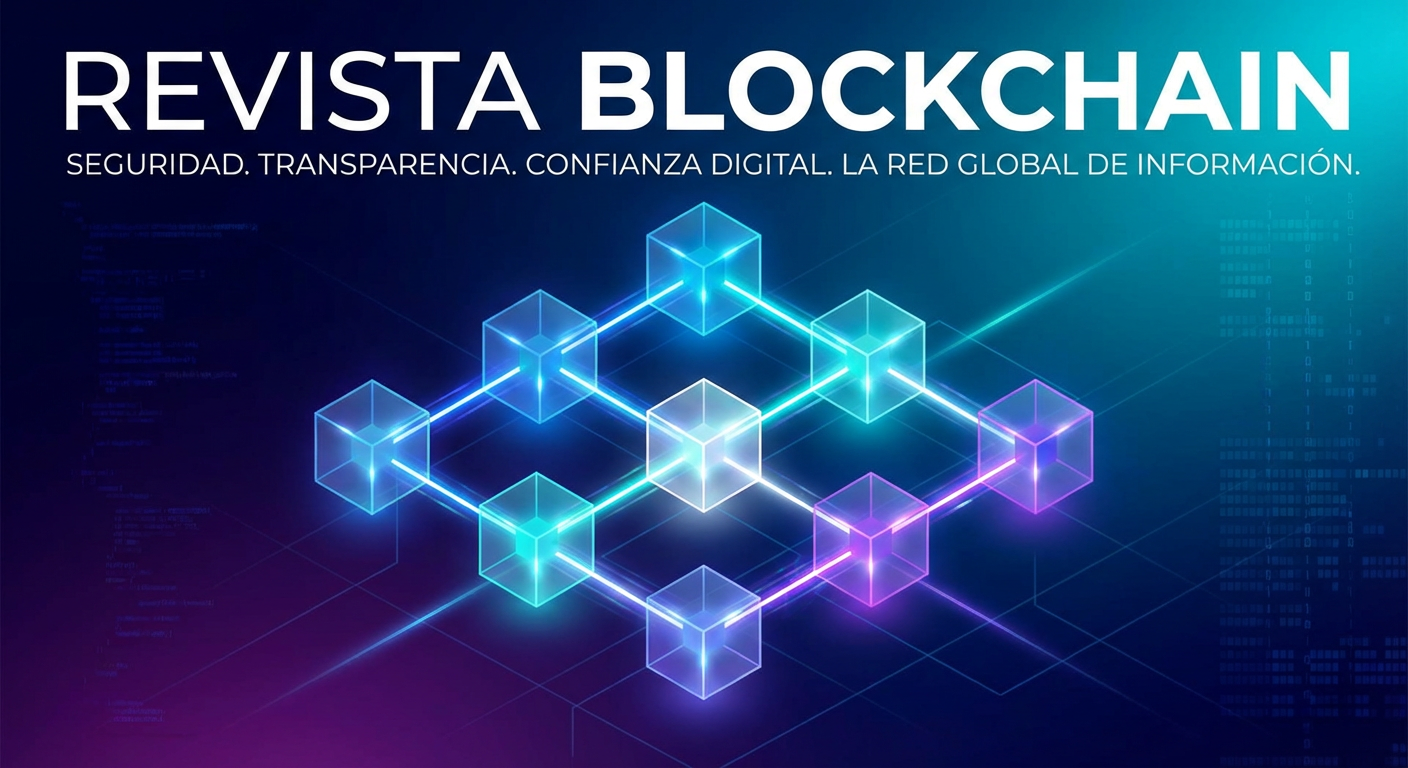
Blockchain is a way to store information that cannot be changed. Each part of the Blockchain is connected to the part in a special way so it is very hard to alter. This makes the information very safe. It stays that way forever. The Blockchain system makes sure that the information is correct reduces cheating and makes everything more open. Companies can use Blockchain to keep track of their supplies verify peoples identities online and make sure transactions are secure which helps build trust with the people who use it and the companies that work with them. Blockchain is really good, for these things because it is the Blockchain that makes them safe.
Smart contracts and automation
One of the most powerful and innovative features of blockchain technology is the use of smart contracts. These are self-executing agreements coded directly onto the blockchain, which automatically carry out their terms when predetermined conditions are met. Unlike traditional contracts, smart contracts do not require intermediaries such as lawyers, banks, or brokers to enforce them. This automation allows processes to happen faster, reduces the potential for human error, and increases trust between parties.
Smart contracts are transforming many industries by streamlining transactions that were once slow, complex, or prone to mistakes. In real estate, for example, smart contracts can automate property sales. When a buyer completes payment, the ownership transfer is executed automatically, and all relevant records are updated on the blockchain. This reduces paperwork, accelerates transactions, and ensures accuracy.
In the world of intellectual property, smart contracts can be used to manage licenses and usage rights. Artists, musicians, and content creators can encode royalties into smart contracts, ensuring that they are automatically paid whenever their work is used, sold, or distributed. This reduces disputes, provides transparency, and guarantees fair compensation without relying on intermediaries.
Insurance is another area benefiting from smart contracts. Claims can be automatically verified and processed based on data inputs such as weather reports, flight delays, or medical records. For example, a travel insurance policy could automatically pay a claim if a flight is canceled, eliminating the need for manual approvals and reducing delays.
Smart contracts also enable new types of financial services within the decentralized finance (DeFi) ecosystem. They are used for lending and borrowing platforms, decentralized exchanges, tokenized assets, and automated investment strategies. By executing complex transactions programmatically, smart contracts allow for financial services that are faster, more transparent, and accessible to a wider range of users.
Beyond finance and business, smart contracts can also support public services and supply chains. Governments and organizations can use them to automate voting, grants distribution, or aid programs. In supply chains, smart contracts can trigger payments, update delivery statuses, and ensure compliance with agreed standards at each step, improving efficiency and trust between participants.
In short, smart contracts and automation are not just technical innovations—they represent a shift in how agreements, transactions, and business processes can be executed. By removing unnecessary intermediaries, reducing errors, and enabling real-time execution, smart contracts make operations faster, more reliable, and more accessible. They are one of the most promising aspects of blockchain technology, offering both commercial and societal benefits.
Business innovation and efficiency
Blockchain technology offers far more than just enhanced security and automation—it has the potential to drive significant innovation and efficiency across many industries. By providing a transparent, decentralized, and programmable system, blockchain enables companies to rethink traditional processes and find ways to operate faster, reduce costs, and improve customer satisfaction.
For example, retail companies are exploring blockchain to track products from production to delivery, ensuring authenticity, reducing errors, and improving supply chain efficiency. Logistics and shipping companies are using blockchain to streamline transportation, reduce paperwork, and maintain accurate records of goods moving between locations. This not only speeds up operations but also minimizes human error and increases transparency for customers.
In the healthcare sector, hospitals and clinics are experimenting with blockchain for patient records management. Secure, immutable records allow authorized personnel to access medical histories efficiently, reduce administrative burdens, and ensure data privacy. Financial institutions, including banks and fintech companies, are using blockchain to settle transactions more quickly, facilitate cross-border payments, and develop innovative financial services without relying on central intermediaries.
Blockchain also enables entirely new business models that were not possible before. Decentralized marketplaces allow people to buy and sell products or services directly, without relying on a central authority or platform. Tokenization of assets transforms real-world items—such as property, art, or shares—into digital tokens that can be traded or used in new financial services. This opens opportunities for broader participation in investments, crowdfunding, and other economic activities that were previously limited to a small group of people.
Moreover, blockchain can enhance collaboration and trust between multiple parties. Companies working together in a shared ecosystem—such as supply chains, consortia, or joint ventures—can use blockchain to automate agreements, share information securely, and verify transactions in real time. This reduces delays, lowers administrative costs, and increases reliability, ultimately benefiting both businesses and customers.
In short, blockchain is more than a technological tool; it is a platform for innovation, efficiency, and creativity. It allows existing businesses to improve their operations while simultaneously enabling new kinds of enterprises and services to emerge. By removing unnecessary intermediaries, improving transparency, and creating new opportunities, blockchain is helping to reshape the way businesses operate in a fast-changing, digital world.
Challenges and adoption
Blockchain is an exciting and innovative technology, but despite its potential, it is not yet being widely adopted across industries and society. There are several reasons for this, ranging from technical limitations to regulatory and social challenges. Understanding these barriers is essential for both individuals and organizations that want to leverage blockchain effectively.
One major challenge is the complexity of the technology. Blockchain systems, decentralized networks, and smart contracts can be difficult to understand for people who are not familiar with programming or digital finance. Many potential users may feel overwhelmed by the technical details, which slows adoption and limits the ability of individuals and businesses to implement blockchain solutions confidently.
Another significant barrier is regulatory uncertainty. Governments and financial authorities around the world are still developing rules and guidelines for blockchain and cryptocurrencies. In some countries, regulations are strict or unclear, creating uncertainty for businesses and users. Companies may hesitate to adopt blockchain solutions without knowing whether they are fully compliant with local laws. Similarly, individuals may be unsure about how their digital assets are protected or taxed.
Scalability is another technical challenge. Current blockchain networks often struggle to handle large volumes of users or transactions quickly. Popular networks can experience delays, higher transaction costs, and congestion when too many people try to use them at once. This makes it difficult for blockchain to fully replace traditional systems in areas such as payments, supply chain management, or large-scale digital services.
Adoption also requires education and trust. Many people still do not understand what blockchain is or how it works. Organizations must invest in training, awareness campaigns, and user-friendly interfaces to make blockchain accessible and approachable. Building trust is crucial, as users need to feel confident that their data and transactions are secure, and that the systems are reliable.
Cultural and organizational challenges also play a role. Businesses may be resistant to change, especially when implementing decentralized systems that shift control away from traditional hierarchies. Similarly, integrating blockchain with existing IT infrastructure can be complicated and costly. Collaboration between developers, business leaders, and regulators is often needed to create solutions that are practical and widely adoptable.
Despite these challenges, blockchain adoption is gradually increasing. Pilot projects in finance, supply chain management, healthcare, and government are showing how blockchain can improve transparency, efficiency, and trust. Companies that experiment cautiously while educating their employees and users are often able to find effective ways to leverage blockchain technology without taking unnecessary risks.
In summary, the adoption of blockchain is not just a matter of technology—it requires a combination of education, regulatory clarity, technical improvements, and careful experimentation. Understanding both the opportunities and the obstacles is essential for anyone who wants to make the most of this transformative technology. With patience, awareness, and responsible implementation, blockchain has the potential to become an integral part of modern digital systems, creating new opportunities for innovation, efficiency, and trust.
Final reflection
Blockchain is far more than the backbone of cryptocurrencies. Its secure, transparent, and decentralized nature is reshaping how businesses operate and how society manages digital trust. By understanding blockchain’s potential and challenges, organizations and individuals can leverage this technology to create more efficient, reliable, and innovative systems, paving the way for a future where digital trust is automatic and universally accessible.


Leave a Reply