
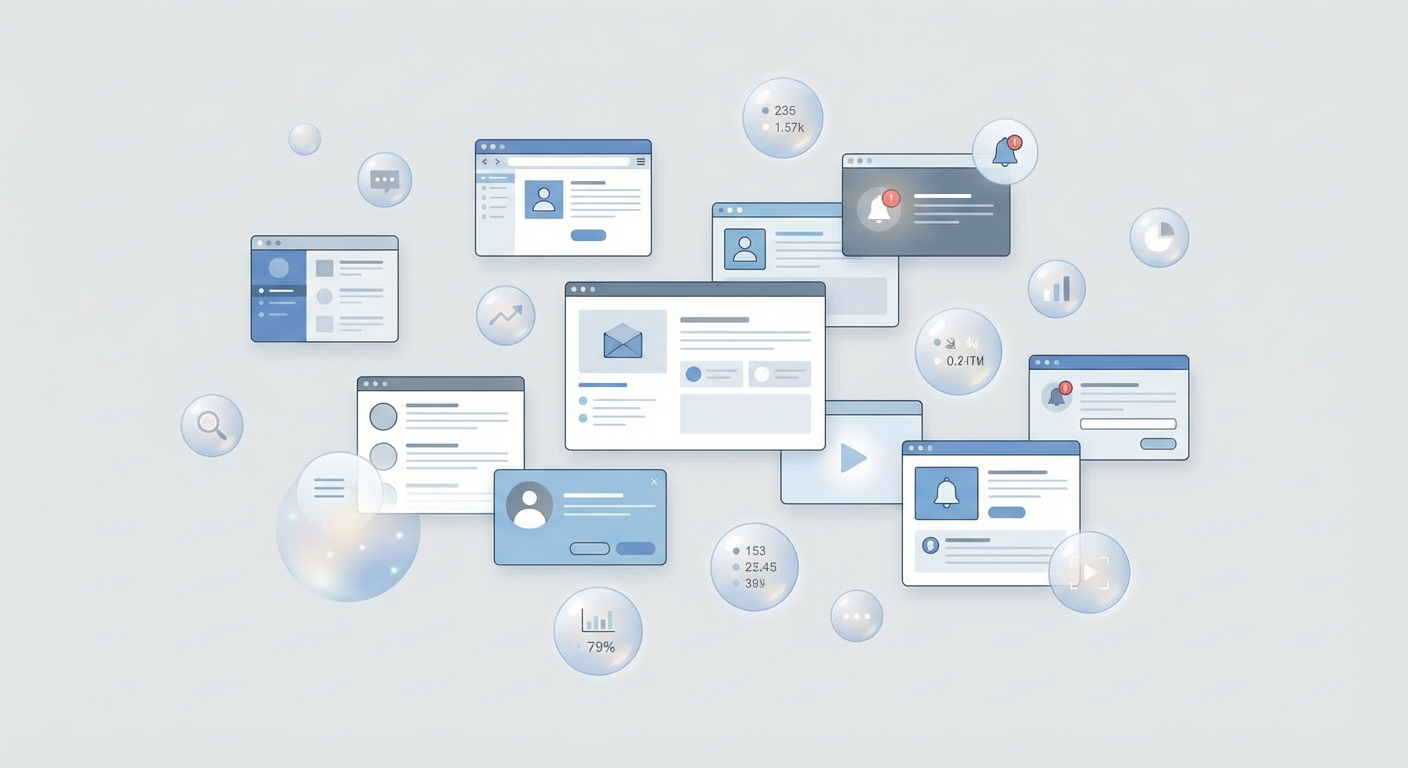
Technology has accelerated virtually everything in our daily lives: news, shopping, payments, and access to services. Speed is no longer just a convenience; it has become a defining element in our relationship with money and the value of what we acquire. This has given rise to what could be called the instant economy.
Instant shopping
With a single click, you can order any product, pay for it, and arrange for its delivery. Immediacy has become the norm, and patience a scarce resource. Before, every purchase required planning, comparison, and reflection; today, most decisions happen automatically, almost without thinking.
This shift doesn’t eliminate financial responsibility, but it does alter the perception of effort and reward. Quick action feels natural and almost obligatory in an environment designed for immediacy.
Patience as a scarce resource
People want everything immediately. This means we don’t have time to think things through before making a decision. Before, when we had to wait, we had time to reflect on things. Now, having to wait seems like a waste of time.
People tend to buy more impulsively.
The value of things is measured by how quickly we receive them, rather than by the effort or money they cost.
Psychological Consequences
The instant gratification economy offers immediate satisfaction, but it can also generate subtle effects:
Decreased perception of the real value of products.
People often decide without thinking too much.
A constant sense of urgency and need for updates.
These effects aren’t necessarily bad, but they change the way we think about money, what we buy, and how we use our resources.
Social implications
The immediacy of the times doesn’t just affect individuals; it also changes collective habits and economic structures. Companies, markets, and digital platforms adapt to this need for speed, shaping products and services to keep users in a constant flow of instant consumption.
Acceleration changes how we perceive time. This affects how we spend and save our money. Acceleration also changes how we relate to our money management habits. Acceleration makes people think differently about money and their money habits.
Final reflection
The instant economy is neither good nor bad. It’s simply the result of living in a fast-paced, digital world. Understanding how the instant economy affects our lives helps us see it from a different perspective, make more thoughtful decisions, and find a healthy balance between speed and careful planning.
In a world where everything happens instantly, the challenge isn’t to slow down technology, but to learn to interact with it intelligently and consciously.
Leave a Reply