
This is because there are systems that can make these decisions for us.
Invisible automation is a process that has been growing over time. This has led to many economic decisions being made automatically. Economic decisions we no longer make include, for example, managing our personal finances and investing in the stock market.
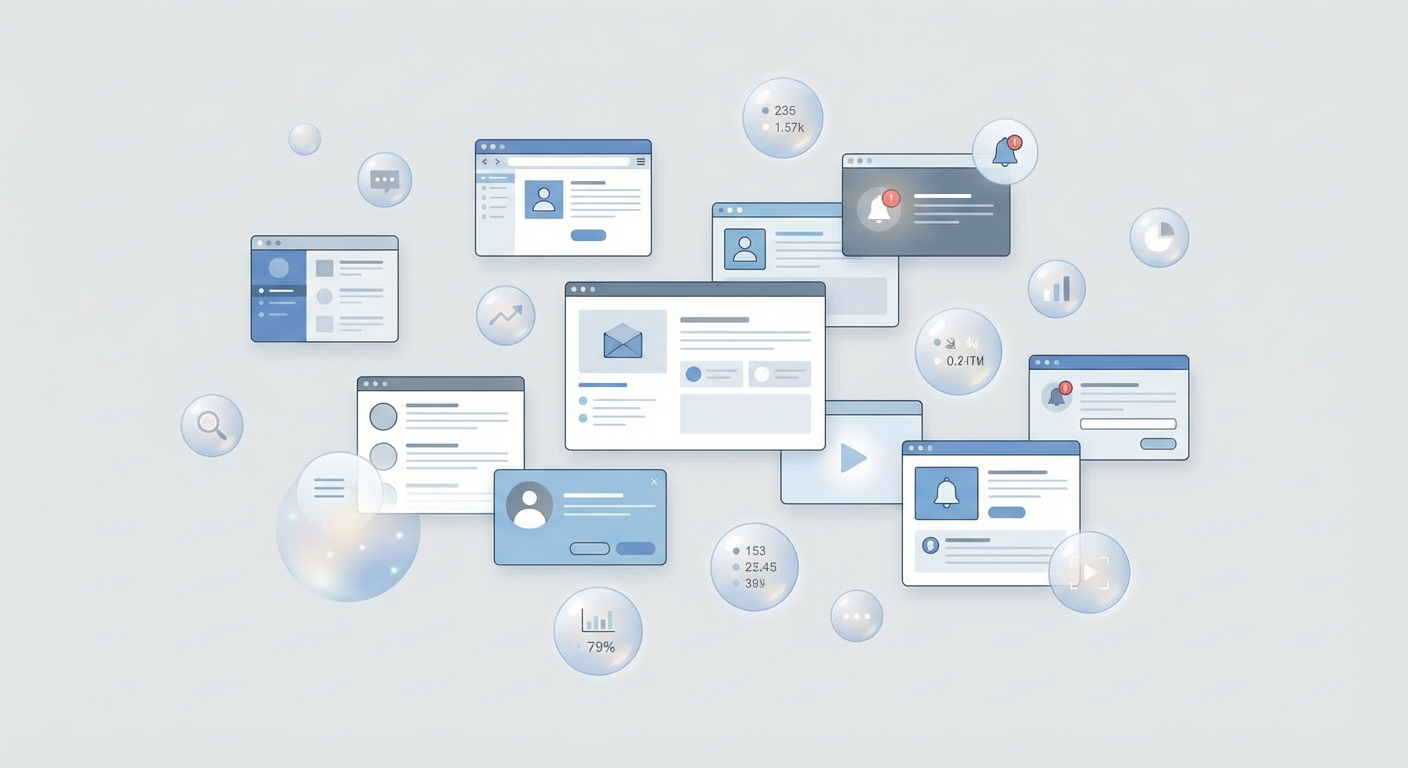
Invisible automation has become very common in daily life. For example, when we buy something online, the system suggests other products that might interest us. It also reminds us to pay our bills on time.
In short, invisible automation refers to the economic decisions we no longer make ourselves. These decisions are made by systems that aim to make our lives easier and more efficient. However, it is important to be aware of how these systems work so we can make informed decisions about our finances and our economic well-being.
Automation is no longer something of the future.
It’s with us every day. We don’t always notice it because it often works silently. In many cases, automation is part of systems that make small economic decisions without requiring constant human intervention.
This invisible automation doesn’t eliminate human participation, but it does transform its role.
There are many decisions we make without realizing it. Sometimes, other people make decisions for us, and we don’t even notice. This can happen at work, with family, or with friends.
Sometimes, we’re presented with options and choose without thinking too much. Other times, someone else decides for us, and we’re fine with it.
Some decisions are made automatically, like when we buy something because we’ve always bought it. We don’t think about it too much; we just do it.
There are also decisions made out of habit, like when we go somewhere because we’ve always gone there. We don’t think about changing; we simply stick to the routine.
In short, there are many decisions we make without realizing it. It’s important to be aware of these decisions and think about them before acting.
Recurring payments, automatic renewals, and smart price or consumption adjustments are examples of ongoing economic processes. This reduces the need for repeated decisions.
These economic processes are designed to be continuous. For example, recurring payments and automatic renewals help keep everything running smoothly. Smart price or consumption adjustments are also useful because they adapt to current needs.
Overall, the idea is to make things easier and more automatic. This way, you don’t have to worry about making decisions all the time. Recurring payments, automatic renewals, and smart price or consumption adjustments are tools that make life simpler.
Delegating these actions isn’t seen as relinquishing control. Rather, it’s a way to improve the experience. But it also means that some decisions are no longer conscious; they become part of how the system works.
Comfort versus visibility is an interesting topic.
Comfort refers to the feeling of well-being and ease that a person experiences in a place or situation. On the other hand, visibility relates to the ability to be seen or noticed by others.
In some cases, comfort may be more important than visibility. For example, a person may prefer to wear comfortable clothing rather than clothing that attracts attention. Comfort is essential for feeling good and relaxed.
However, in other cases, visibility can be crucial. For example, in the professional world, visibility can be important for career advancement. Being seen and recognized by others can open doors and opportunities.
In short, comfort and visibility are two concepts that can be in conflict. Comfort refers to the feeling of well-being and ease, while visibility relates to the ability to be seen or noticed by others. Comfort versus visibility is a personal choice that depends on each person’s circumstances and priorities.
Efficiency is one of the main benefits of automation.
Less friction, less effort, fewer interruptions. But this convenience has a side effect: loss of visibility.
When systems are working properly, no one even notices they’re there. The problem arises when people stop noticing that a decision is being made, even if it’s based on a previously established rule. Systems need to be visible when they make decisions, so people know what’s happening. Automation is useful, but it’s also important to know what’s going on behind the scenes. Systems must strike a balance between functioning well and keeping people informed.
Una economía que se mantiene sola
Many websites are designed to keep everything running smoothly. A self-sustaining economy doesn’t stop, doesn’t wait, and doesn’t constantly ask questions. Its aim is for everything to stay the same and for things to keep moving forward.
In this context, the economy doesn’t depend so much on specific decisions, but rather on initial configurations that are repeatedly implemented over time.
The new human role
People’s roles are changing. Now, instead of being active decision-makers, they are becoming occasional supervisors. The way they intervene has also changed. They no longer do so constantly, but only when necessary. In other words, people only act when something goes wrong, not when everything is working correctly.
This change doesn’t imply a total loss of control, but rather a redistribution of it. Control is exercised more indirectly.
Final reflection
Invisible automation is not inherently negative. It’s a logical response to the complexity of the digital world. However, understanding how it works is essential for maintaining a conscious relationship with today’s economy.
When decisions are automated, responsibility doesn’t disappear; it simply changes form. Understanding this shift is key to interpreting how the modern economy operates behind the scenes.


Leave a Reply