
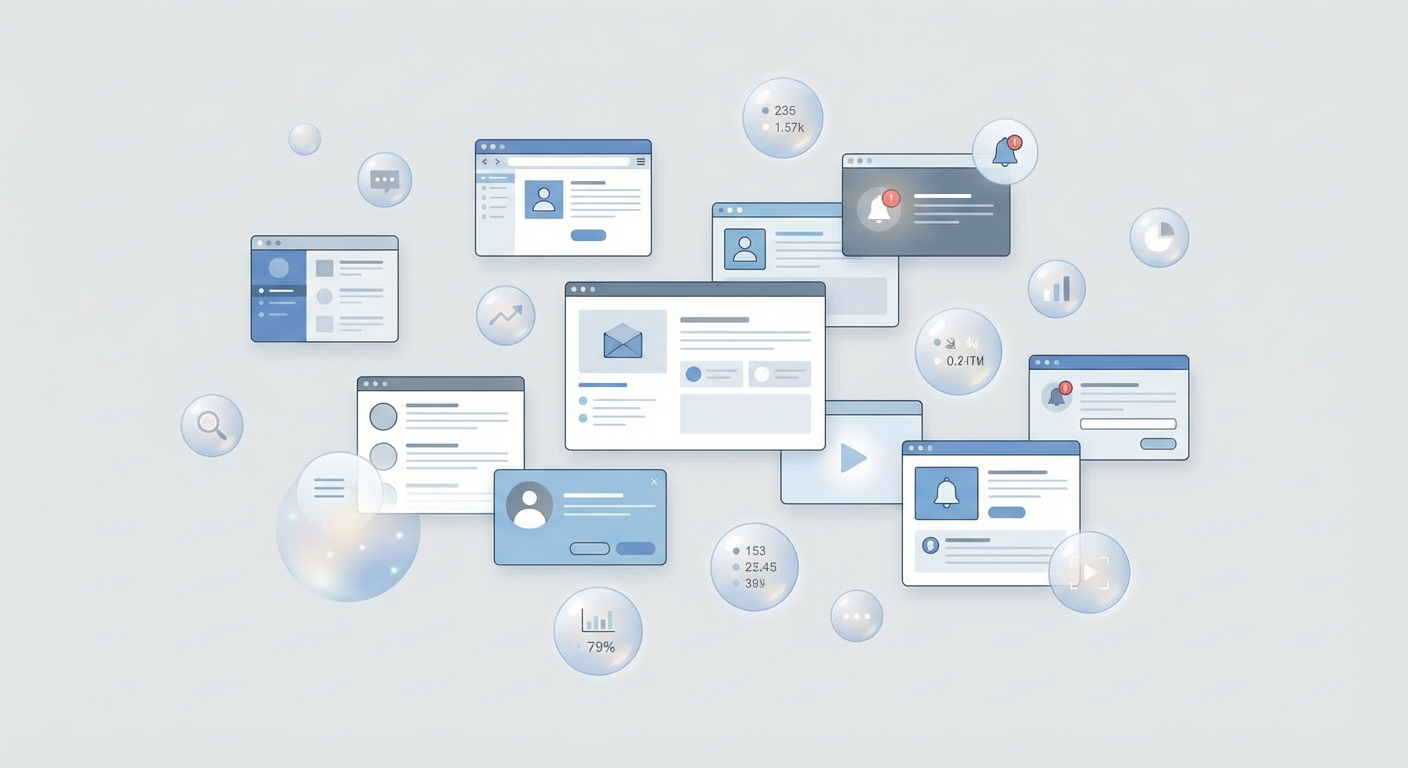
The digital world provides us with a wealth of information. However, this can sometimes lead to a lack of understanding. In the digital economy, data overload is a problem.
The digital economy is based on data and how we use it. But when there is too much information, it’s difficult to know what’s important and what isn’t. This can lead to confusion and poor decisions.
For example, imagine you’re buying something online. There are many options and a lot of information about each product. You can read reviews from other buyers, see product features, and compare prices. However, with so much information, you might feel overwhelmed and not know what to choose.
Data overload can also affect businesses. They need to analyze large amounts of information to make decisions about how to sell their products or services. But if they have too much information, they can lose focus and not know what’s most important.
In short, while information is useful, data overload can be a problem in the digital economy. It’s important to find ways to manage information effectively in order to make informed decisions.
We live in an age of information overload. Every second, millions of data points are created about finance, economic news, and online transactions. In theory, this should help us make wiser decisions, improve the functioning of markets, and give people a better understanding of the financial system. However, in reality, the opposite is true.
The availability of massive amounts of information doesn’t guarantee understanding; sometimes it hinders it.
The illusion of control
When faced with a massive amount of information, a sense of control arises. We follow charts, read reports, check the news, and analyze statistics. But this abundance can be deceptive. The illusion of control stems from seeing quantity, not quality. We can know many numbers without understanding how they relate to each other or how they affect the overall system.
Information overload makes economics incredibly complex. Each new piece of data can cause more confusion than clarity.

Noise and signal
Financial markets are overflowing with data. Every trade, every price movement, every analyst comment adds to an ocean of information. Separating the signal from the noise is becoming increasingly difficult. Technology delivers everything instantly, but it doesn’t distinguish the relevant from the irrelevant.
This problem has existed for some time, but digital platforms make it much faster and reach more people. Now, if someone misinterprets something, this can spread very quickly and affect many people and economic decisions simultaneously.
Human decisions in automated environments
Although algorithms process data at speeds impossible for humans, they are still designed, interpreted, and fine-tuned by people. The pressure to react to every new piece of data can lead to impulsive decisions, especially when the information is incomplete or contradictory.
The paradox is clear: more information available, but less capacity to make truly rational decisions.
Understanding as a scarce resource
Having data doesn’t mean we understand it. What truly matters isn’t having a lot of information, but knowing how to use it, evaluate it, and connect it to our ideas. In a world with so much data, understanding it becomes incredibly valuable.
Towards a reflexive economy
The problem isn’t collecting more data, but creating systems that help us understand it correctly. Education, regulations, and technology must work together so that data guides us instead of confusing us. Ultimately, the future of the online economy depends on how well we understand the data and how quickly it flows.
Conclusion
We live surrounded by information, but not necessarily by understanding. The abundance of data offers opportunities, yes, but it also demands discernment and reflection. Recognizing that information does not replace understanding is the first step in navigating a world where data no longer waits for us to have time to process it.


Leave a Reply