
Redefining Digital Financial Systems
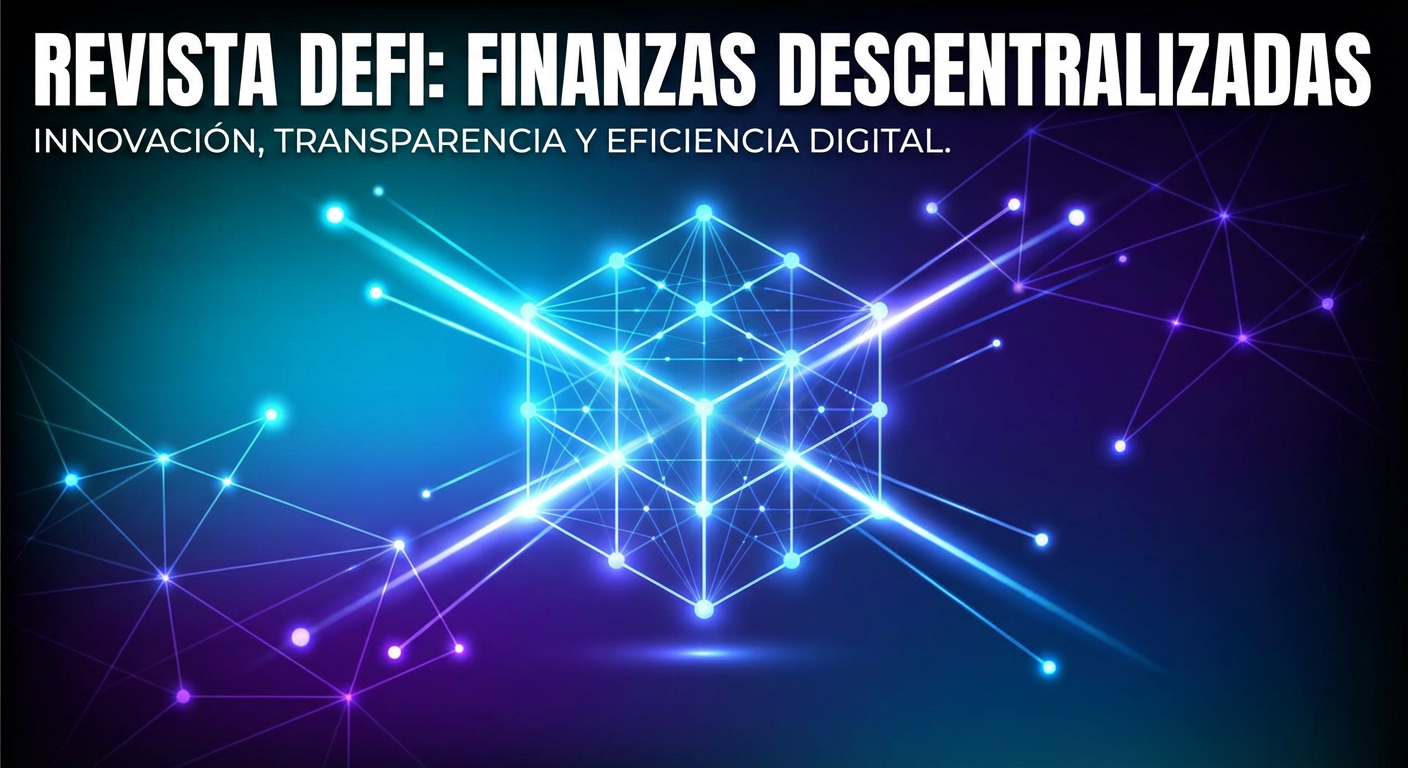
Decentralized Finance, commonly known as DeFi, represents a new approach to delivering financial services through blockchain technology. Instead of relying on traditional banks or centralized institutions, DeFi platforms operate using smart contracts—self-executing programs that automatically enforce rules and agreements.
By removing intermediaries, DeFi aims to make financial systems more transparent, accessible, and efficient. Users interact directly with protocols on public blockchains, maintaining control over their assets at all times. This shift challenges traditional financial models and opens new possibilities for how money, assets, and digital value are managed online.
What Is DeFi and How Does It Work?
At its core, DeFi is built on blockchain networks, most commonly Ethereum. Smart contracts replace banks, brokers, and clearing houses by automating financial operations such as lending, borrowing, and trading.
Key characteristics of DeFi include:
- Decentralization: No single entity controls the system.
- Transparency: Transactions and contract logic are publicly verifiable.
- Permissionless access: Anyone with an internet connection and a digital wallet can participate.
Instead of trusting an institution, users trust code that executes predefined rules. This structure reduces reliance on third parties while increasing operational efficiency.

Core Principles of Decentralized Finance
Decentralized Finance is built on a set of foundational principles that differentiate it from traditional financial systems and enable its open, trust-minimized structure. These principles define how DeFi platforms operate, how users interact with them, and why they have gained global adoption in such a short period of time.
Decentralization and Trust Minimization
One of the most important principles of DeFi is decentralization. Instead of relying on centralized institutions such as banks, brokers, or payment processors, DeFi platforms distribute control across blockchain networks. This removes single points of failure and reduces the need for users to place trust in intermediaries. Transactions are validated by decentralized networks rather than authorized by a central entity, increasing system resilience and reliability.
Transparency and Verifiability
All DeFi protocols operate on public blockchains, where transactions and smart contract logic are openly accessible. This level of transparency allows anyone to verify how a protocol functions, how funds are managed, and how rules are enforced. Unlike traditional financial systems, where internal operations are often opaque, DeFi enables continuous public auditing. This openness increases accountability and helps build user confidence in decentralized systems.
Smart Contracts and Automation
Smart contracts are the technological backbone of decentralized finance. These self-executing programs automate financial agreements by enforcing predefined conditions without human intervention. Once deployed, smart contracts operate exactly as coded, reducing the risk of manipulation or discretionary decision-making. Automation improves efficiency, lowers operational costs, and ensures consistent execution of financial rules across all users.
Permissionless Access and Global Inclusion
DeFi platforms are generally permissionless, meaning users do not need approval from an institution to participate. Anyone with an internet connection and a compatible digital wallet can access decentralized financial services. This open access removes barriers such as geographic restrictions, credit requirements, and identity gatekeeping, enabling broader financial inclusion on a global scale.
Interoperability and Open Innovation
Another key principle of DeFi is interoperability. Many decentralized applications are designed to work together, allowing protocols to integrate and build on top of one another. This composability enables rapid innovation, as developers can combine existing tools to create new financial products without starting from scratch. As a result, DeFi evolves quickly and supports a continuously expanding ecosystem of services and use cases.
Real-World Applications Beyond Trading
Although often associated with cryptocurrency trading, DeFi offers practical financial tools used in everyday digital environments.
Decentralized Lending and Borrowing
Users can lend assets to earn interest or borrow funds by providing collateral, all without banks. Interest rates are determined algorithmically based on supply and demand.
Stablecoins and Digital Payments
Stablecoins are designed to maintain a stable value and are widely used for payments, savings, and cross-border transactions. They provide price stability while retaining blockchain efficiency.
Yield Generation and Automated Finance
DeFi protocols allow users to earn returns through liquidity provision, staking, and automated investment strategies, often referred to as yield farming.
Business and Developer Use Cases
Companies can integrate DeFi tools to automate payments, manage digital assets, and increase transparency. Developers benefit from an open ecosystem where innovation is not restricted by centralized control.
Benefits and Challenges of DeFi
Key Benefits
- Lower costs: Fewer intermediaries reduce fees.
- 24/7 availability: Financial services operate continuously.
- Global accessibility: No geographic restrictions.
- User control: Individuals retain custody of their assets.
Key Challenges
- Smart contract risks: Bugs or vulnerabilities can result in losses.
- Security threats: Hacks and exploits remain a concern.
- Regulatory uncertainty: Legal frameworks are still evolving globally.
- User responsibility: Mistakes are often irreversible.
Understanding these risks is essential for responsible participation in decentralized finance.
The Future Potential of DeFi
As blockchain technology matures, DeFi is expected to integrate more closely with traditional financial systems. Hybrid models may emerge, combining the efficiency of decentralized protocols with the stability and compliance of established institutions.
Improved security standards, clearer regulations, and broader education will likely drive adoption. In the long term, DeFi has the potential to support more inclusive, transparent, and programmable financial systems on a global scale.
Final Reflection
Decentralized Finance is more than a technological trend—it represents a structural shift in how financial services can operate. By prioritizing transparency, automation, and user autonomy, DeFi challenges conventional systems while offering new tools for individuals and businesses alike. With responsible development and informed participation, decentralized finance may play a meaningful role in shaping the future of global finance.



Leave a Reply